What Is Employee Time Tracking Software?
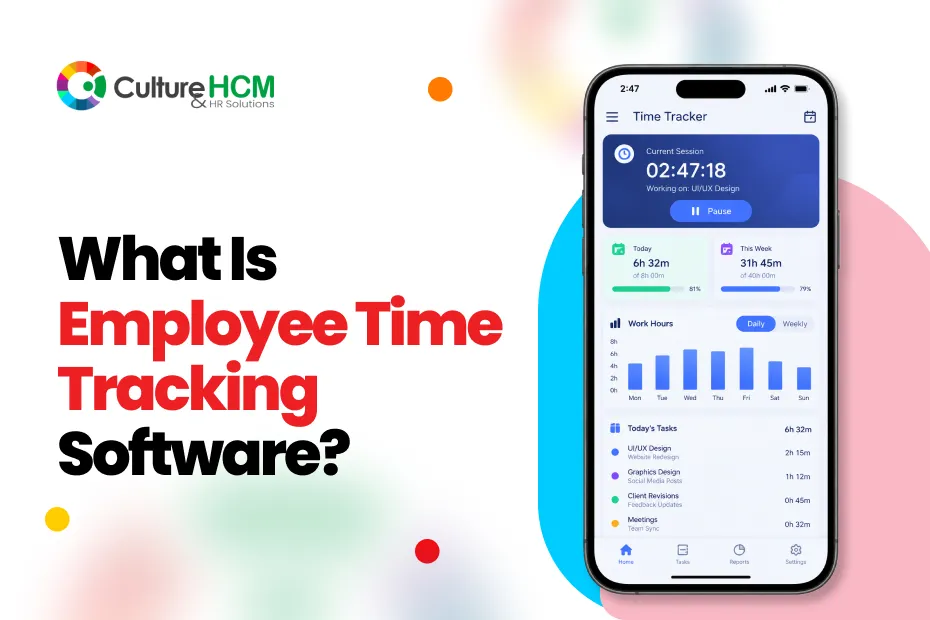
Keeping an accurate record of who worked when, and for how long, is one of the most basic yet frustrating parts of running a business. Spreadsheets get messy, paper logs go missing, and manual calculations almost always lead to errors somewhere. This is why so many companies are now turning to employee tracking software to handle attendance and working hours without the constant back and forth.
If you are wondering what this software actually does and whether your business needs it, this guide covers everything in simple terms.
What Does Employee Time Tracking Software Do?
Employee time tracking software is a digital tool that records when employees start and end their workday, tracks breaks, and calculates total hours worked. Instead of relying on paper timesheets or verbal confirmations, everything is logged automatically and stored in one place.
At its core, this type of Time and Attendance Software replaces guesswork with accurate, real-time data that both employees and managers can trust.
How Does Time Tracking Software Work?
Most systems work in one of a few ways. Employees can clock in through a mobile app, a web browser, a biometric device, or a card swipe machine. The moment they check in, the system records the exact time and syncs it to a central dashboard.
From there, HR and payroll teams can see attendance in real time, review reports, and export the data whenever needed. Many businesses now prefer time tracking software for employees that works across multiple devices, since teams are no longer always sitting in one office.
Key Features to Look For
Not all tracking tools are built the same. Here are the features that actually make a difference in daily use.
1. Automated Clock In and Clock Out: Employees can check in and out digitally, removing the need for someone to physically verify attendance.
2. Working Hours Tracking: The system automatically totals daily and weekly hours, which is especially useful for hourly employees and shift-based teams.
3. Late Attendance Tracking: Managers get instant visibility into who is arriving late, helping address patterns early instead of after payroll is already processed.
4. Leave Management Software Integration: A good system connects with leave management software, so approved time off is automatically reflected in attendance records without manual updates.
5. Payroll Integration: Many businesses now look for payroll software with time clock functionality built in, since it removes the extra step of manually transferring hours into a separate payroll system.
6. Detailed Reports and Analytics: From absenteeism trends to overtime summaries, reporting tools give managers the data they need to make informed staffing decisions.
Benefits of Using Employee Tracking Software
1. Saves Time on Manual Work
Switching away from manual attendance tracking means HR teams no longer spend hours cross-checking registers or fixing calculation errors by hand.
2. Improves Payroll Accuracy
Since working hours are recorded precisely, payroll processing becomes faster and disputes over unpaid or miscalculated hours become far less common.
3. Increases Accountability
When employees know their time is being tracked accurately, punctuality and consistency tend to improve naturally across teams.
4. Supports Remote and Hybrid Teams
Cloud-based HR time tracking software allows employees to clock in from anywhere, making it a practical fit for businesses with remote or hybrid work setups.
5. Reduces Errors from Manual Entry
Paper logs and spreadsheets are prone to mistakes. Automated systems remove this risk almost entirely, giving businesses cleaner and more reliable records.
6. A Smart Step Toward Full HR Digitization
For companies exploring HR software Pakistan options, time tracking is often the first tool adopted before moving to a complete digital HR system, since it solves an everyday operational problem right away.
Employee Time Tracking vs Manual Attendance Tracking
Many businesses still rely on manual registers, believing it is simpler or cheaper. In reality, manual attendance tracking often costs more in the long run due to human error, time theft, and the hours spent correcting records every payroll cycle.
Digital tracking tools, on the other hand, offer real-time accuracy, easier reporting, and far less administrative burden. For businesses with growing teams, this difference becomes obvious within the first few months of switching.
How to Choose the Right Time Tracking Software
Before selecting a system, businesses should consider:
Whether it integrates with existing payroll and leave management software
How many employees and locations it needs to support
Ease of use for both staff and HR administrators
Availability of mobile access for remote teams
Vendor support and setup assistance
Choosing a tool that fits your company's size and structure now will help avoid costly switching later.
Final Thoughts
Employee tracking software takes one of the most tedious parts of running a business and turns it into something simple and reliable. From working hours tracking to late attendance tracking and seamless payroll integration, it saves time, reduces errors, and gives managers the clarity they need to make better decisions.
If your business is still relying on manual attendance tracking, it may be time to explore a modern Time and Attendance Software solution built for accuracy and ease of use. Get in touch with a trusted HR software provider today to find the right fit for your team.
FAQs
1. What is employee time tracking software used for?
It is used to record employee work hours, monitor attendance, and simplify payroll by removing manual calculations and paperwork.
2. Is time tracking software only for large companies?
No, businesses of all sizes use it. Many providers offer scalable plans, making it practical for small teams as well as large enterprises.
3. Can time tracking software integrate with payroll?
Yes, most modern systems offer payroll software with time clock features, allowing hours to sync directly into payroll without manual entry.
4. Does time tracking software work for remote employees?
Yes, cloud-based systems allow employees to clock in from any location, making them well suited for remote and hybrid teams.
5. Is employee time tracking software difficult to set up?
Most platforms are designed for quick setup, and many vendors offer onboarding support to help businesses get started smoothly.

